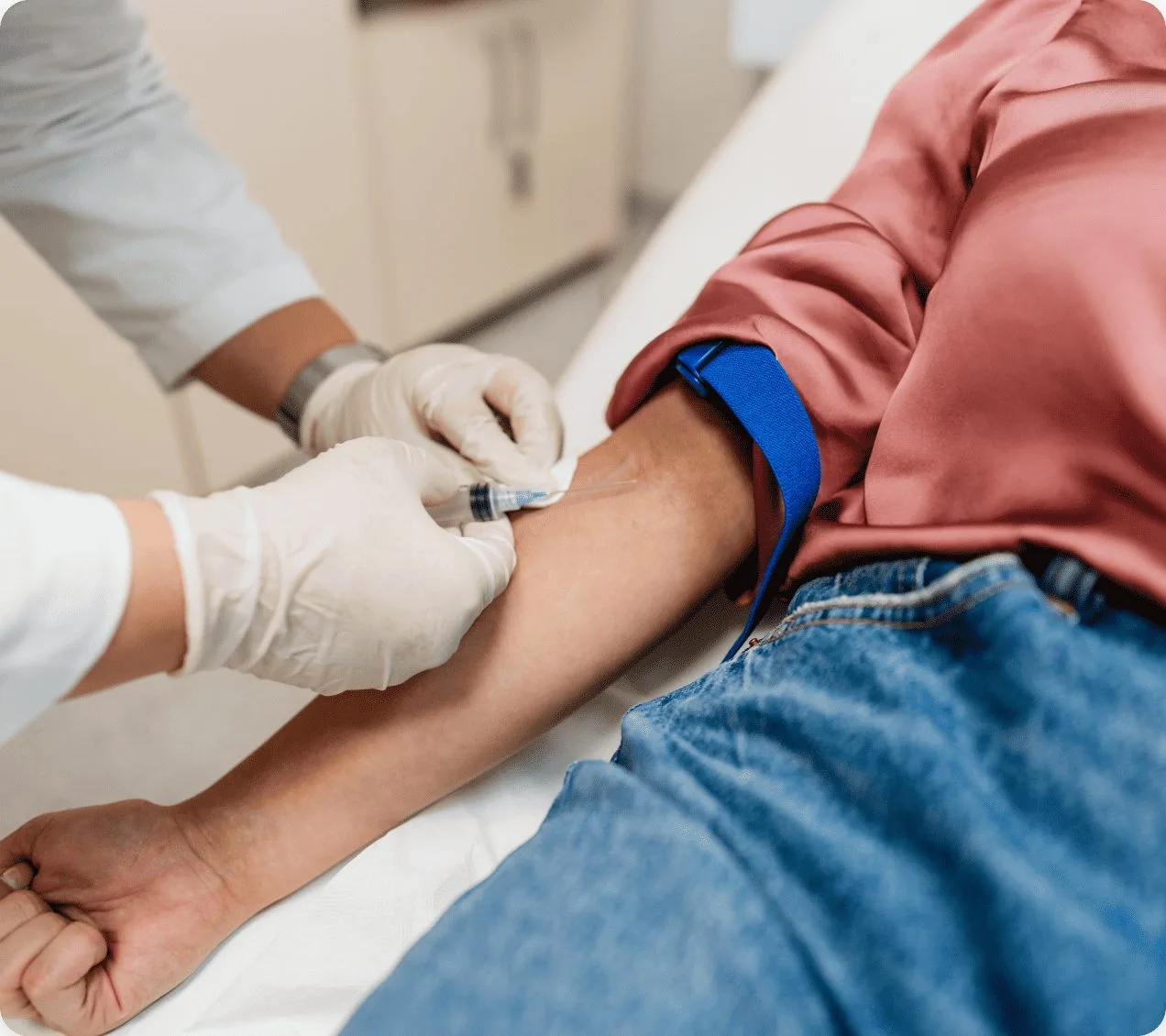
Who walk-in blood work is for
Anyone with a valid requisition can walk in: routine check-ups and screening, monitoring of a known condition such as diabetes, thyroid disease or high cholesterol, pre-operative blood work, prenatal panels, medication monitoring such as INR for warfarin, and repeat or standing orders. Children are welcome with a parent or guardian; see our pediatric blood tests page for how to prepare a child. If you cannot get to a centre, at-home blood collection is available by request for a fee.
Do you need a requisition?
Yes. Ontario community laboratories need a requisition for every test and cannot add, remove or substitute tests. Physicians, nurse practitioners and midwives can order blood work, as can dentists, optometrists, chiropodists and pharmacists within their defined scopes. There is no printed expiry, but bring it within a few months of the date it was signed; standing orders state their own schedule. Lost it? Ask the office to fax a copy to the lab (every location page lists its fax number) or issue a new one. Bio-Test accepts the standard Ontario laboratory requisition and its own forms. Read more in our requisition guide.
Is blood work covered by OHIP?
Medically necessary tests ordered on a requisition are covered with a valid Ontario health card, so there is nothing to pay for most blood work. Some tests are uninsured: vitamin D (25-hydroxy) for most adults, PSA screening without symptoms or risk factors, and any test requested for insurance, employment or travel. If your health card has expired, the visit is uninsured until it is renewed, so bring a valid card. Patients insured in Quebec or another province pay at the lab and claim back from their home plan. Bio-Test tells you before collection if anything on your requisition is uninsured, and client services quotes fees at 613-789-4242. Full detail is in Is your blood test covered by OHIP?.
What to expect when you walk in
Check in at the desk with your health card and requisition. Staff confirm your identity and the tests ordered, flag anything uninsured, and label your tubes. Typical wait is under 15 minutes; mornings are the busiest stretch because fasting patients arrive early, so late morning and mid-afternoon are the quietest times. The draw itself takes a few minutes. If you tend to feel faint, say so and you can lie down for the collection. Afterwards, keep the bandage on for a short while and avoid heavy lifting with that arm for the rest of the day. Walk-ins are first come, first served; booking a time online through the location page lets you skip the line.
How to prepare
- Fast only if your requisition says so. The standard fast is 8–12 hours, 12 hours for a lipid profile, and never longer than 14 hours.
- Water is allowed and encouraged; it makes the draw easier. No coffee or tea (even black), juice, food, gum, mints, smoking or alcohol during a fast.
- Tests that usually need fasting: fasting glucose, lipid profile, iron and TIBC, some hormone tests. Tests that do not: CBC, TSH, HbA1c, creatinine and eGFR, liver panel, vitamin B12 and most others.
- Take your medications as usual unless your provider tells you otherwise; people with diabetes should ask about timing.
- Wear a top with sleeves that roll up easily, and bring your health card and requisition.
Our preparation guide and fasting guide go into more detail.
When results are ready
Routine chemistry and hematology (CBC, glucose, lipids, kidney and liver panels, TSH) are usually reported within 24–48 hours. Microbiology cultures take 2–5 days, sometimes longer if something grows. Tests referred to specialty laboratories can take several days to weeks. Results are sent electronically to the ordering provider, who interprets them with you, and are available to you in the Bio-Test patient portal. Critical results are phoned to your provider the same day. Community-lab results do not automatically appear in hospital MyChart accounts. See how long blood test results take in Ontario and how to read your results.
Where to get blood work in Ottawa
Every Bio-Test patient service centre does walk-in blood collection; the full list with live hours is below and on the locations page. Any centre accepts any Ontario requisition, and your results go back to the provider who ordered them regardless of where you were seen. The Bells Corners main laboratory has the longest hours, including Saturday mornings, and also offers walk-in ECG, with X-ray and ultrasound by appointment, so you can have everything done in one visit.